

Ankle-length formal dresses are intended to end around the ankle area, but a product label cannot guarantee where the hem will fall on you. Compare the dress’s actual length, your measurements, the skirt shape, and the shoes you plan to wear before you order.
The goal is to choose the hem position you want from the start. A photo on another person is useful context, while a clearly defined measurement gives you a better basis for comparing styles.
Key Takeaways
| Question | Useful comparison |
|---|---|
| Where do you want the hem? | Identify the ankle area on your own body instead of relying on a product label. |
| How is the dress measured? | Confirm the starting point and whether the measurement describes the body or the garment. |
| Is the whole hem the same length? | A high-low edge, train, or slit can change coverage without changing the headline label. |
| Does it fit the occasion? | Read the invitation and any specific guidance before deciding on a shorter formal hem. |
What does ankle-length mean compared with other hems?
Use body landmarks instead of a universal number
Tea-length generally describes a hem between the knee and ankle, while ankle-length reaches lower toward the ankle. Floor-length continues toward the floor; the useful distinction is where the garment ends on the person wearing it.
These terms are shopping descriptions rather than a fixed measurement that works for every height. Two dresses called ankle-length can differ, and the same garment can fall differently on two people.
Choose a point you can identify consistently, such as the ankle area where you want the edge to rest. Then use the product’s defined measurements to ask whether that outcome is realistic for the style you are considering.
Separate the hem from a slit
A slit changes how much of the leg can become visible as you move, but it does not necessarily shorten the skirt’s lowest edge. Check the hem and the opening as two different details.
If you prefer coverage down to the ankle even while walking, examine how far the slit opens and whether there is a layer beneath it. A front photograph with one leg extended may emphasize the opening rather than the resting hem.
For a dress without a slit, the skirt’s fullness can still affect the way it moves around your legs. Compare a straight skirt with an A-line shape by the activities you expect at the event.
Look for an uneven edge or a train
An ankle-length front can appear with a longer back, a dipped side, or an additional train. Do not assume the shortest visible section describes the entire skirt.
Review the front, side, and rear photographs. Ask whether the length listed is the shortest edge, the longest edge, or another defined measurement if the skirt is not even all the way around.
A transparent outer layer can also extend beyond an opaque lining. In that case, compare where both layers stop, since one determines the outline and the other determines the area covered by opaque fabric.

How do you predict where the hem will fall?
Confirm the measurement’s starting point
“Dress length” can be measured from different places. A shoulder-to-hem measurement is not interchangeable with a hollow-to-hem or waist-to-hem measurement.
Ask which point the product uses, then follow the retailer’s instructions for that measure. Mixing a body measurement from one starting point with a garment measurement from another can give you the wrong comparison.
Keep the unit consistent as well. If your measurements are in inches, compare them with the inches column or make a careful conversion before selecting a size.
Distinguish body measurements from garment length
A chart may tell you which size matches your bust, waist, and hips without stating the finished hem position for every style. Choosing the appropriate size is necessary, but it may not answer the length question on its own.
Ask for the garment length for the size or order option you are considering. If a product offers a measurement-based option, confirm which length instructions apply rather than assuming any desired hem can be made.
Do not choose a different size only to change the skirt length. That can change the fit through the bodice and waist while leaving the intended hem question unresolved.
Use shoes as part of the comparison
Choose the shoes you realistically expect to wear, then consider how they change the distance between the dress and the floor. An ankle-length look can expose the whole shoe, part of it, or only the lower edge, depending on the garment and your proportions.
Do not add a heel allowance automatically to every measurement. Follow the instructions for the exact length field and ask whether any allowance is already included.
Model photographs are useful for seeing the design, but a different height or shoe can change the result. Use them alongside measurements instead of treating the pictured hem position as a personalized prediction.
Build a four-point comparison
Before choosing between dresses, record four details: your preferred hem point, the garment’s measurement starting point, its stated length, and whether the edge is even or has an extension. This simple list keeps the decision focused.
If one detail is missing, make it a specific question for the retailer. “Where does this hem fall?” is much easier to answer when it includes the product link, selected size, relevant measurement, and intended shoes.

Can an ankle-length dress suit a formal event?
Read the invitation before the product category
Start with the host’s dress code and any venue guidance. The word “formal” in a product title does not override a request for a particular style or level of dress.
Emily Post’s wedding guest attire guide treats the invitation, event timing, and local customs as clues to formality. It is a useful reminder to decide the occasion first, then compare garments.
If the wording is unclear and the hem is an important part of the choice, ask the host for guidance. A shorter formal dress may work for one celebration while another calls for a floor-length gown.
Consider the complete outfit
Hem length is one element of the finished look. The neckline, fabric appearance, embellishment, and shoe choice all affect how the outfit reads at an event.
You do not need a particular body type or height to choose an ankle-length dress. Focus on the endpoint and silhouette you enjoy, with measurements that make the choice more predictable.
For weddings, generally avoid white, ivory, cream, and all-white lace unless the couple explicitly requests them. A product offered as both bridal and occasionwear still needs to be considered in the context of your role.
Check the coverage you want while seated
A skirt can rise or shift when you sit, especially if it is close-fitting. Think about whether your preferred coverage applies while standing only or throughout dinner and the ceremony as well.
Where possible, look for photographs that show the skirt from more than one angle and position. If seated coverage is essential, ask about the relevant cut and measurements rather than assuming a longer label settles it.
This is a choice to make before ordering, not a prediction that every ankle-length dress will behave the same way. The garment’s shape matters alongside its nominal length.
How to compare Babyonlinewholesale’s length details
Begin with formal evening dresses, then compare the wider evening dress collection. Product photographs and specifications should support the length you are seeking.
The mother of the bride collection also includes ankle-length occasion styles. Their category does not require a particular age or role, but check the wedding’s plans when choosing one as a guest.
Some listings use different length terms in their titles and specification tables. When “ankle-length” and “floor-length” appear on the same page, request confirmation for that exact product instead of choosing the version you prefer.
The Color and Size guide includes instructions for body measurements and a length allowance for standard floor-length dresses. Do not transfer that floor-length rule to an ankle-length product without checking which instructions apply.
Save the answer with your product link and chosen options so you can review the intended length before completing the order. A measurement confirmed for one style should not be applied to a similar-looking dress automatically.
For a separate look at sleeve coverage, read how much coverage an evening gown provides. The evening dress guide offers a broader starting point for comparing occasion styles.
Shop the Look: Compare Hem Positions
Use these listed ankle-length styles to compare skirt shapes and visible hem positions. Confirm the current product’s measurements for your selected size, especially when a title and specification describe the length differently.
Black Formal Dress With Long Sleeves

The listing gives an ankle-length hem, and the photograph shows the shoes below a full skirt. Confirm the finished length for your selected size before deciding where the hem will fall on you.
Floral Tiered Dress With a Coordinating Layer

Compare the tiered skirt’s lowest edge with its higher overlapping layers. The product gallery also shows the dress without the outer layer, which makes the hem and shoe relationship easier to inspect.
Navy A-Line Occasion Dress

The navy skirt ends above the shoes in the front view. Compare this flowing outline with a straighter skirt, and ask for the finished garment length rather than expecting the pictured endpoint on every wearer.
Ankle-Length Sequin Dress Set
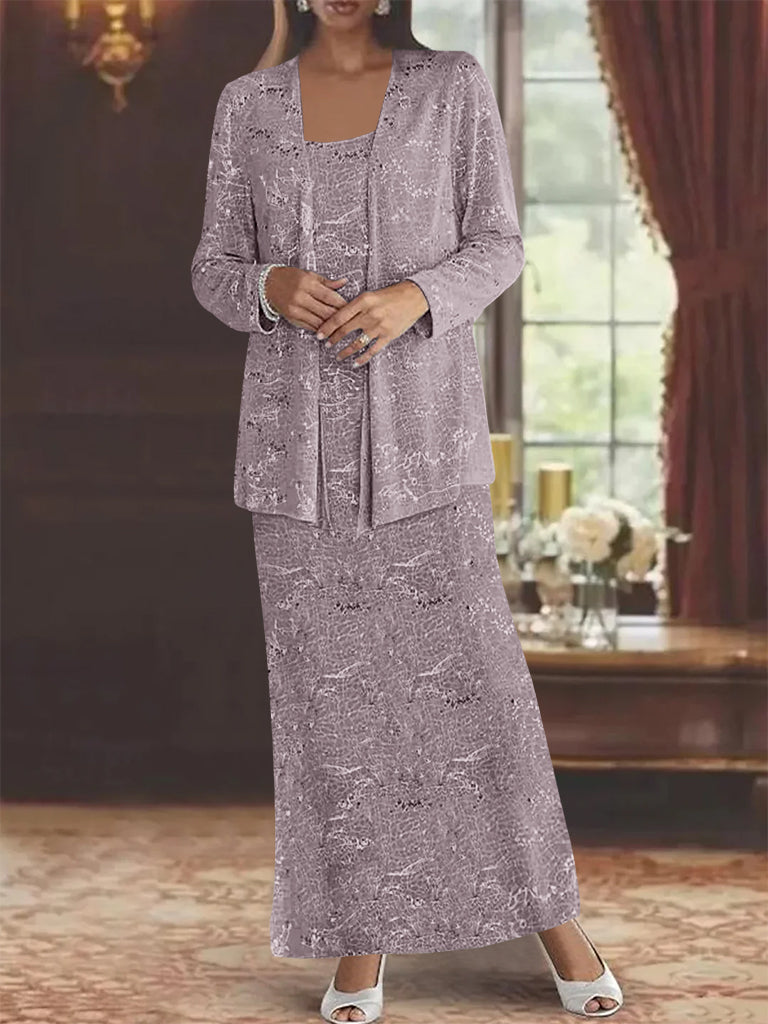
This listed ankle-length style pairs a relatively straight skirt with a jacket. Use the product’s jacket-off view to see the inner dress separately, then confirm the hem measurement for your own selected option.
V-Neck Sequin Dress Set

The dark version shown has an ankle-skimming outline with shoes visible beneath it. Check the dress length independently of the shorter jacket hem, and confirm that your preferred color selection is currently available.
V-Neck A-Line Occasion Dress With Short Sleeves

Compare the soft A-line skirt and its overlapping outer panels with the straighter dresses above. Ask which layer and measuring point the listed length describes if the different edges affect the coverage you want.
Frequently Asked Questions
Will every ankle-length dress end at my ankle?
No, the label describes an intended length rather than a guaranteed position on every wearer. Compare a clearly defined garment measurement with your own proportions and planned shoes.
What is the difference between tea-length and ankle-length?
Tea-length generally ends higher between the knee and ankle, while ankle-length reaches toward the ankle area. Retailer terminology can vary, so use measurements to confirm the actual distinction between two products.
Does a high slit make a dress ankle-length?
No, a slit changes the opening in the skirt rather than establishing its lowest hem. Check the skirt length and the slit separately if both affect your coverage preference.
Should I size up to get a longer hem?
Do not use a larger size as an automatic length adjustment. It can change the bodice fit without giving you the hem position you want.
Should I add heel height to the listed measurement?
Follow the instructions for the exact measurement field instead of adding it automatically. A retailer may already include an allowance, and a floor-length rule may not apply to an ankle-length style.
Where can I start comparing ankle-length formal options?
Browse the formal evening dress collection and inspect each candidate’s length details. Keep your intended hem point, measurement reference, and event guidance together as you compare.
About the Author
Lily
Lily is a bridal fashion blogger specializing in wedding dresses, evening gowns and homecoming dresses. She loves decoding fashion trends and offering down‑to‑earth dress‑shopping tips to help women shine on their special days.